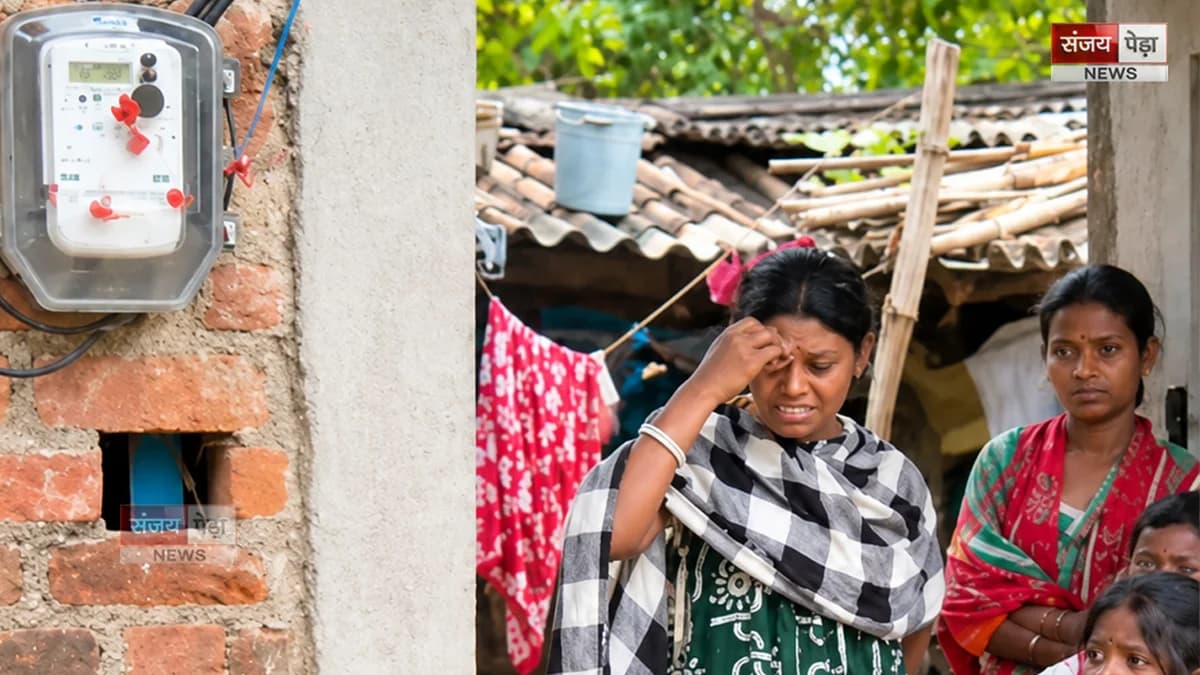
HOOGHLY, WEST BENGAL: In a long-awaited moment of progress, Chakdah village in West Bengal's Hooghly district has received electricity for the first time since India's Independence. After nearly 79 years without regular electricity access, the development has brought immense happiness and renewed hope to around 400 Adivasi families living in the village.
Located under Ashtaradattapur Gram Panchayat in the Tarakeswar Assembly constituency, Chakdah has remained without household electricity for generations. Although electricity poles had reportedly been installed in the village several years ago, the necessary wiring was never completed, leaving residents dependent on alternative sources of lighting.
The lack of electricity had particularly affected children and students, who struggled to continue their studies after sunset. Everyday household activities also remained difficult for families living without a reliable power connection.
The situation has now started changing ahead of Diwali 2026, as electricity infrastructure and household connections are being put in place. According to reports, the district electricity department began installing meters approximately a month ago. Around 50 houses have already received new meter boxes, while more than 100 households are being brought under the electricity connection process.
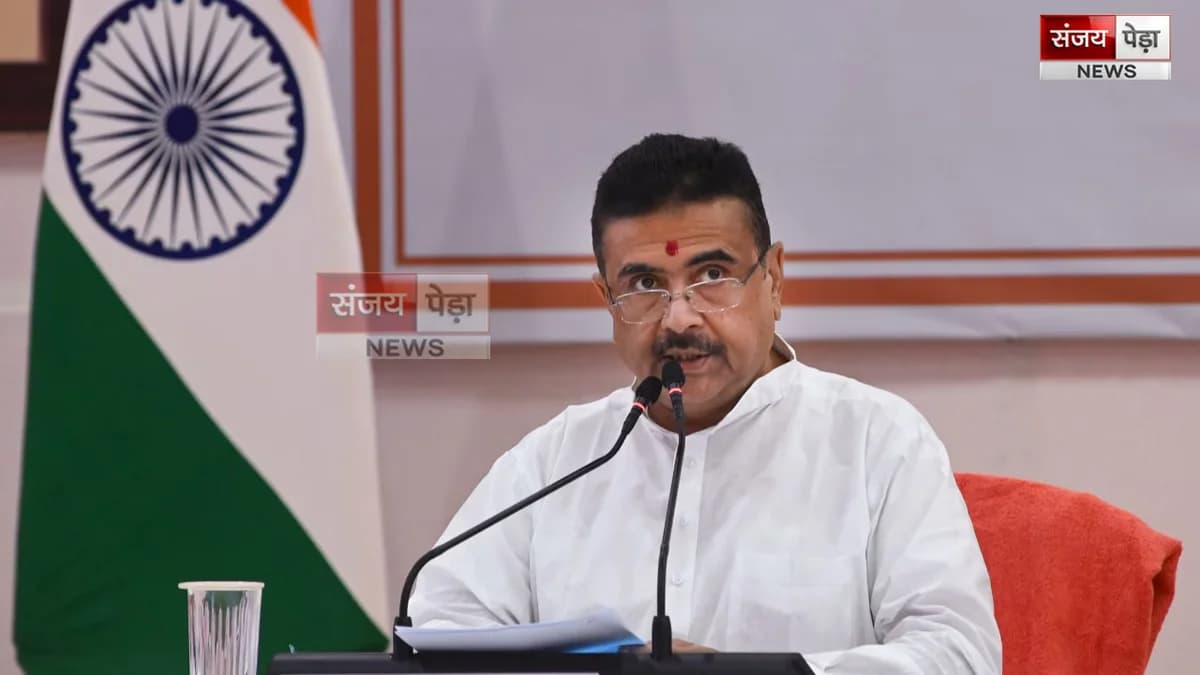
BJP MLA Santu Pan, representing the Tarakeswar Assembly constituency, said that providing electricity to the village was among his priorities after taking office. He stated that he had assured residents during his election campaign that their long-standing demand would be addressed. He also said that eligible families listed under the Below Poverty Line (BPL) category would receive free electricity connections.
The MLA further alleged that the village had been neglected because residents had consistently supported the BJP since 1997–98. Local residents have also raised similar allegations regarding the delay in completing the electricity infrastructure. These claims remain attributed to the individuals making them.
For the residents of Chakdah, the arrival of electricity represents much more than the installation of meters and wires. It brings the possibility of better educational opportunities for children, improved living conditions and greater convenience in everyday life.
As Diwali approaches, the festival of lights is expected to carry a special meaning for these families. After decades of waiting, the prospect of celebrating the occasion with electric lights in their homes marks an emotional milestone for the village.
The development also brings attention to the importance of ensuring that basic infrastructure reaches every remote community, particularly those that have remained underserved for generations.