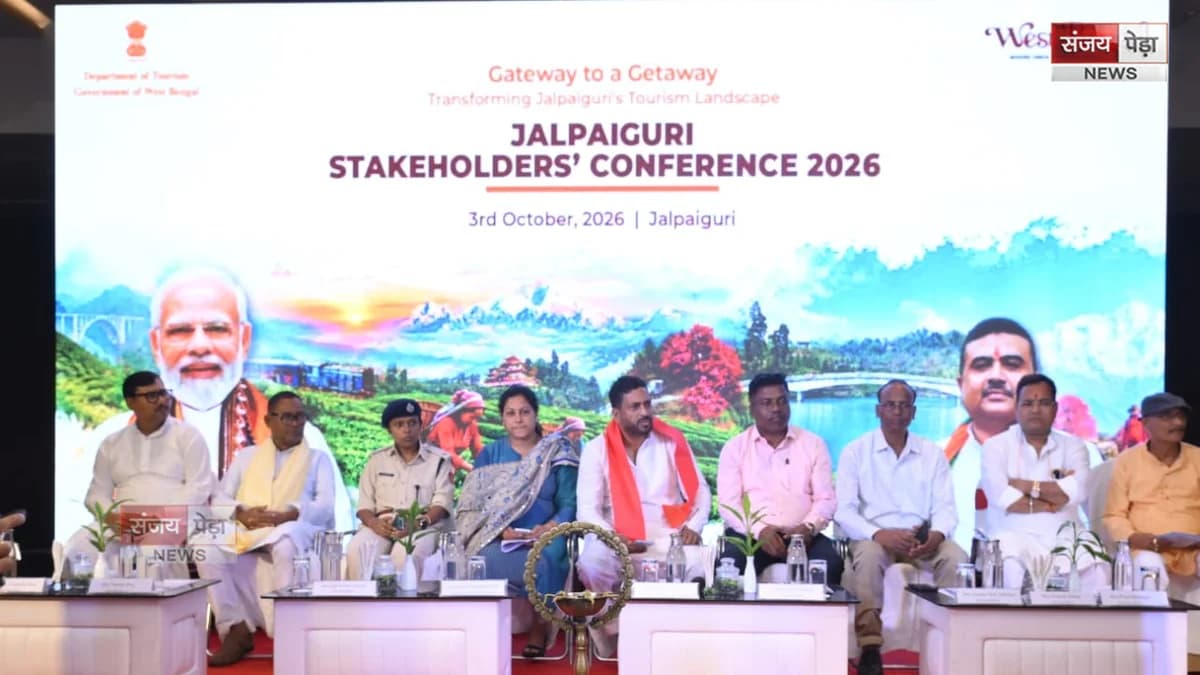
The meeting comes at a time when the state is seeking to attract greater private-sector participation in tourism. According to the Tourism Department, investment commitments of ₹4,976 crore have been announced for North Bengal, while Jalpaiguri alone has received proposals worth ₹700 crore, with around 3,000 direct jobs expected from four projects.
The proposed investments include a ₹300-crore project by BLG Group for a 100-key resort and branded second homes at Chalsa. The project is expected to create around 200 direct jobs, apart from construction-related employment. A ₹200-crore entertainment and leisure hub by Tulsa Group, a ₹100-crore 200-bed hospital proposed by Pomesh Healthcare, and another ₹100-crore tourism and hospitality project by Ram Niwas Group are also part of the investment proposals.
The wider tourism strategy seeks to develop Jalpaiguri as the Gateway to the Dooars, highlighting its tea gardens, forests, rivers and religious destinations. The district is also being promoted as part of a larger tourism network connecting Sikkim, Bhutan, Nepal and Bangladesh.
Five broad priorities were highlighted at the stakeholders’ meet, including improved tourism infrastructure, a new “Brand Bengal” marketing strategy, community tourism, stronger cross-border tourism circuits and incentives for investment. The state has also proposed a Tea Estate Stay Scheme and other measures intended to encourage hospitality development.
Jalpaiguri’s tourism potential is being linked to six major segments tea tourism, wildlife, riverfront and birding, spiritual tourism, wellness and leisure, and homestays. The district has more than 150 tea gardens and 149 registered homestays, while 12 registered tourism service providers and trained guides are already part of the tourism ecosystem.
The state-wide investment picture is also significant. At the World Tourism Day-related investment programme, ₹12,634 crore in private-sector investment commitments were announced for West Bengal, with an estimated employment potential of around 22,000 jobs. The figure was also highlighted by Tourism Minister Shankar Ghosh at the Indian Chamber of Commerce’s Hospitality & Tourism Summit.
The government is simultaneously looking to expand community participation. Around ₹50 crore has been budgeted for community tourism, while North Bengal currently has around 1,820 homestays, according to the Tourism Department’s stakeholder note.
Another focus area is the NIDHI portal, the Ministry of Tourism’s digital platform for registration and classification of tourism and hospitality establishments. The department has urged tourism businesses to register through the portal to access recognition, promotional opportunities, schemes, incentives and training support.
Several public tourism projects are also in the pipeline for Jalpaiguri, including the Magurmari Biodiversity Park, Sitala Mata Mandir at Banarhat and Dhumabati Petkati Chandimata Temple. A ₹150-crore Vanya Kutir resort project at Lataguri, proposed by Ambuja Neotia Group, is expected to generate around 250 jobs.
During the meeting, Tourism Minister Shankar Ghosh stressed the need to turn the state’s tourism potential into actual investment, business activity and higher tourist footfall. The department also plans to move towards district-level tourism planning under the “One District, One Destination” approach.
The minister also emphasised that tourism expansion must remain compatible with environmental protection, particularly in eco-sensitive areas. Better regulation of tourism service providers, safety standards and registration were identified as important parts of future tourism development.
With new hospitality, healthcare, entertainment and nature-tourism projects being proposed, the Jalpaiguri stakeholders’ meet marks an effort to build a broader tourism economy around the Dooars while creating employment and business opportunities for local communities.