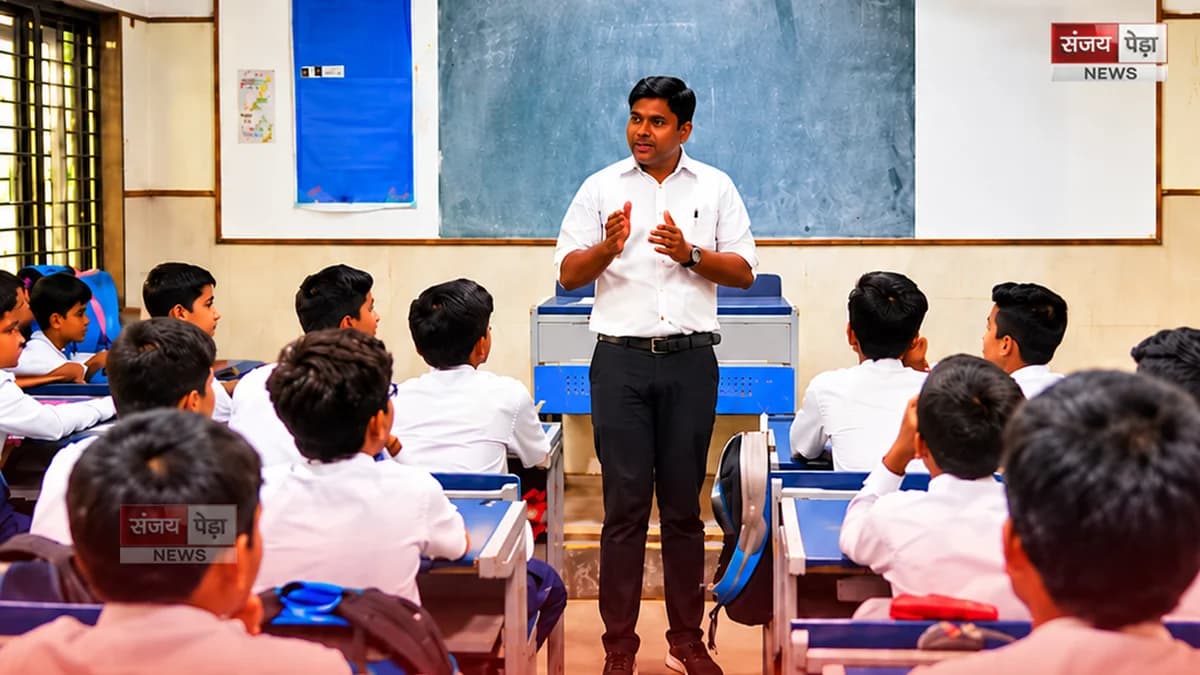
Kolkata: Financial education is set to become part of school-level learning in West Bengal, with students from Classes VI to X being introduced to basic concepts of money management and financial awareness.
The West Bengal School Education Department, through the Paschim Banga Samagra Shiksha Mission, has directed schools to conduct financial literacy-related activities for students. The activities are expected to be organised during the last period on Saturdays, within the existing Ananda Parishar activity schedule.
The initiative aims to help students understand practical aspects of handling money from an early age. The learning material covers subjects such as saving, budgeting, banking, interest, taxation, investments and digital financial transactions.
Students will also be introduced to the changing nature of financial transactions, from the traditional barter system to modern digital payment methods. Topics such as UPI, QR codes, online banking and basic banking services are also included in the learning material.
An important part of the programme will focus on digital safety and financial fraud awareness. Students will learn why OTPs should never be shared, how to identify suspicious links and why financial transactions through unknown sources can be risky.
The content has been structured according to different classes. Younger students will be introduced to basic concepts such as the evolution of money, bills, savings and taxation, while higher classes will gradually learn about banking, loans, insurance, investment, budgeting and other financial concepts.
The financial education material draws on resources developed for school-level financial literacy programmes. The National Centre for Financial Education (NCFE) also runs its Money Smart School Programme for Classes VI to X, with study materials designed to build financial awareness as an important life skill.
Schools have been encouraged to make the sessions interactive through quizzes, discussions and practical examples, rather than treating financial literacy as another examination subject. The objective is to give students useful knowledge that they can apply to everyday financial decisions.
With children increasingly using digital payments, online shopping and banking services at an early age, the initiative is aimed at helping them develop safer and more responsible financial habits before entering adulthood.