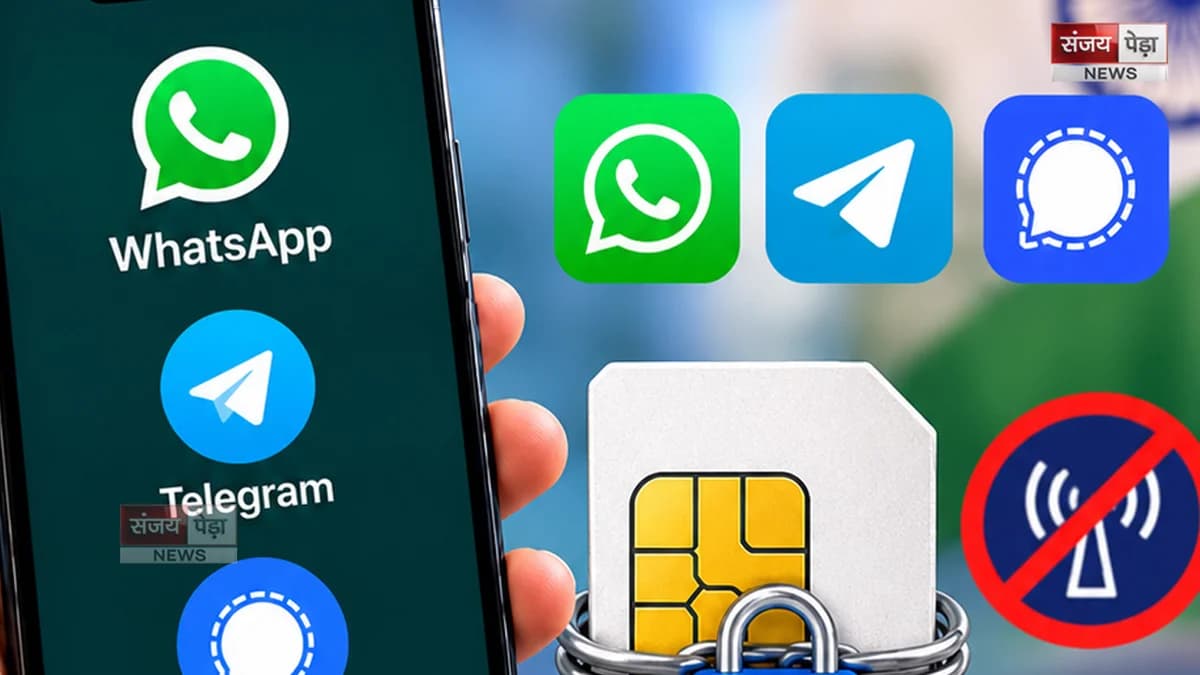
India's popular messaging platforms, including WhatsApp, Telegram and Signal, are preparing for a major change as the government's SIM-binding requirements approach their implementation deadline. Under the Department of Telecommunications (DoT) directive, covered communication apps must ensure that accounts registered using Indian mobile numbers remain linked to the corresponding active SIM card in the device.
The compliance deadline has been extended to December 31, 2026, making January 1, 2027, the expected starting point for the new requirements to take effect. The move is intended to strengthen digital security and reduce the misuse of Indian mobile numbers in online fraud.
What Is the New SIM-Binding Rule?
SIM binding means keeping a messaging account continuously connected to the active SIM associated with its registered mobile number. Under the directive, covered services are required to prevent use on a device when the corresponding SIM is absent or inactive, subject to the platforms' implementation of the rules.
The original directions issued on November 28, 2025, named WhatsApp, Telegram, Signal, Snapchat, Arattai, ShareChat, Josh and JioChat. The requirements apply to covered app-based communication services that use Indian mobile numbers to identify users or provide services.
Who Could Be Affected?
The change could be particularly relevant to people who use messaging apps on Wi-Fi-only phones, tablets or secondary devices without keeping their registered SIM in the device. Users who remove their SIM cards, change their registered numbers or use a different phone for messaging may also need to review their account setup.
For example, someone who registers WhatsApp using a number on one phone but regularly uses the account on another SIM-free phone could face access restrictions, depending on how the app implements the requirement.
Users who keep their registered SIM active in the device running the app are less likely to encounter difficulties solely because of this rule.
Why Has the Government Introduced This Requirement?
According to the DoT, messaging accounts can remain operational even after the associated SIM card has been removed, deactivated or moved abroad. This can create opportunities for criminals to misuse Indian mobile numbers for phishing, impersonation, investment scams and so-called digital-arrest frauds.
The government says stronger SIM-to-device verification will help improve traceability and make it harder to operate fraudulent accounts without access to the registered mobile connection. The Ministry of Communications cited cyber-fraud losses exceeding ₹22,800 crore in India during 2024.
What About WhatsApp Web and Other Linked Devices?
The original directive also included periodic logout requirements for web-based versions of messaging services. However, subsequent reporting indicates that the government moved away from a blanket six-hour logout requirement towards a risk-based approach.
Therefore, users should not assume that every WhatsApp Web or desktop session will automatically end every six hours under the revised framework.
What Should Users Do Now?
Users should check which mobile number is registered with their messaging accounts and ensure that the associated SIM remains active. People who rely on secondary devices or travel frequently should watch for official announcements and in-app instructions from their respective messaging platforms.
The new requirements are primarily intended to prevent the misuse of mobile-number-based messaging accounts, rather than to target a particular phone brand or operating system.
While the compliance deadline is approaching, the exact user experience may depend on how each covered platform implements the requirements. Users should follow official updates from the government and the apps before making changes to their devices or accounts.