Keylong, Himachal Pradesh: India is preparing to strengthen medical research in the Himalayan region with the establishment of a dedicated centre for high-altitude medicine and public health research in Keylong, located in the Lahaul and Spiti district of Himachal Pradesh.
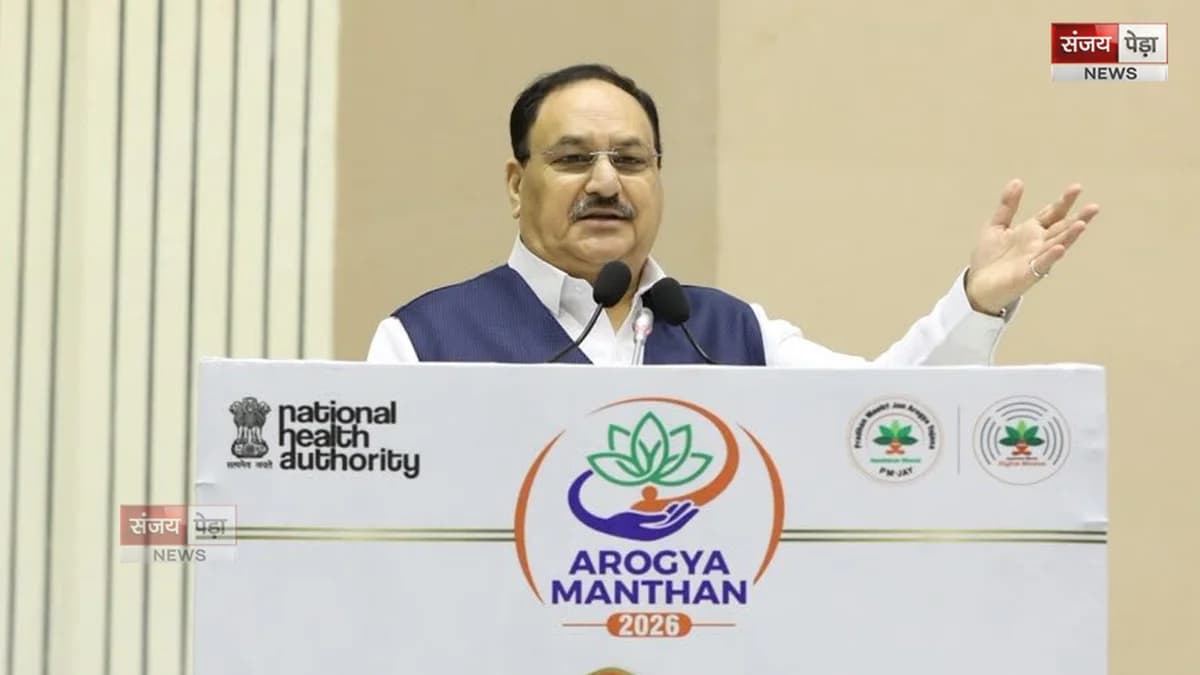
Union Minister of Health and Family Welfare Jagat Prakash Nadda is scheduled to lay the foundation stone of the facility on October 12, 2026. The centre, known as the ICMR Centre for High Altitude Medicine and Public Health Research (ICMR-CHAMP), is being developed by the Indian Council of Medical Research (ICMR) under the Department of Health Research.
The proposed institution will focus on health issues associated with high altitudes, harsh weather, difficult geographical conditions and changing climatic patterns. These factors can create significant challenges for medical services and emergency healthcare in remote Himalayan communities.
The centre will undertake research across several important medical fields, including high-altitude physiology, acclimatisation, mountain medicine and diseases influenced by climate change.
Its research programme will also cover infectious and non-communicable diseases, maternal and child health, nutrition, mental health, environmental health, occupational health and disaster medicine.
Through these studies, researchers aim to generate scientific evidence and develop healthcare solutions suited to the specific needs of people living and working in high-altitude environments.
Improving access to healthcare in isolated mountain communities will be another major priority for ICMR-CHAMP. The centre will explore the use of telemedicine, digital health platforms, drone-assisted medical logistics and real-time public health surveillance.
These technologies could help healthcare providers reach remote settlements more effectively and strengthen the delivery of medical supplies and health services in areas where difficult terrain and severe weather often create obstacles.
The facility will also support long-term field studies involving high-altitude and tribal populations, helping researchers understand how environmental conditions and climate variability influence health outcomes.
The centre is expected to work with the Armed Forces Medical Services, the Defence Research and Development Organisation (DRDO), the Himachal Pradesh government and academic and research institutions in India and abroad.
Such partnerships are intended to encourage scientific collaboration, improve research capabilities and support evidence-based policymaking in public health.
The initiative is also expected to contribute to wider priorities, including tribal healthcare, disaster preparedness, digital health innovation and the development of climate-resilient health systems.